
Lasting Impacts
Metro’s transit infrastructure and systems impact people’s lives by facilitating economic opportunities and fostering healthy, resilient communities. These systems also have the power to divide, pollute and isolate. Planning for inclusive and resilient neighborhoods is essential for equitable outcomes across Metro’s systems and services, and LA County as a whole.
With this in mind, Metro knows that historical context must inform its projects and programming. Metro prioritizes fairness—regardless of race, color, national origin or income—and meaningful community involvement in decisions that influence the places where people live, work, play and learn. These values are especially relevant for communities disproportionately affected by inequitable decisions and their subsequent impacts. As such, these values are key to building equity in transit.

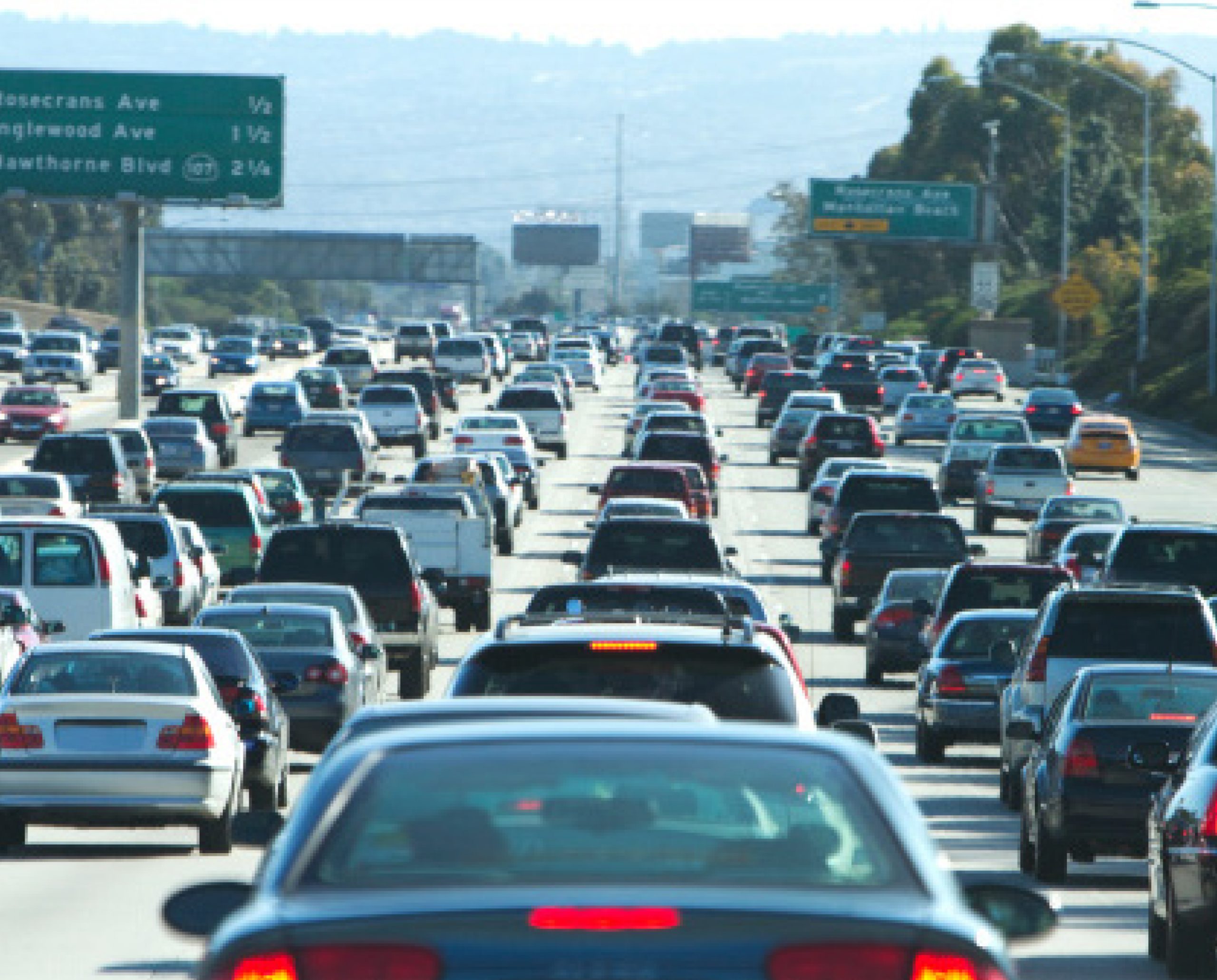
Transportation as a Pollutant
Living near transportation infrastructure like freeways still impacts surrounding communities, many of which are BIPOC or low-income…
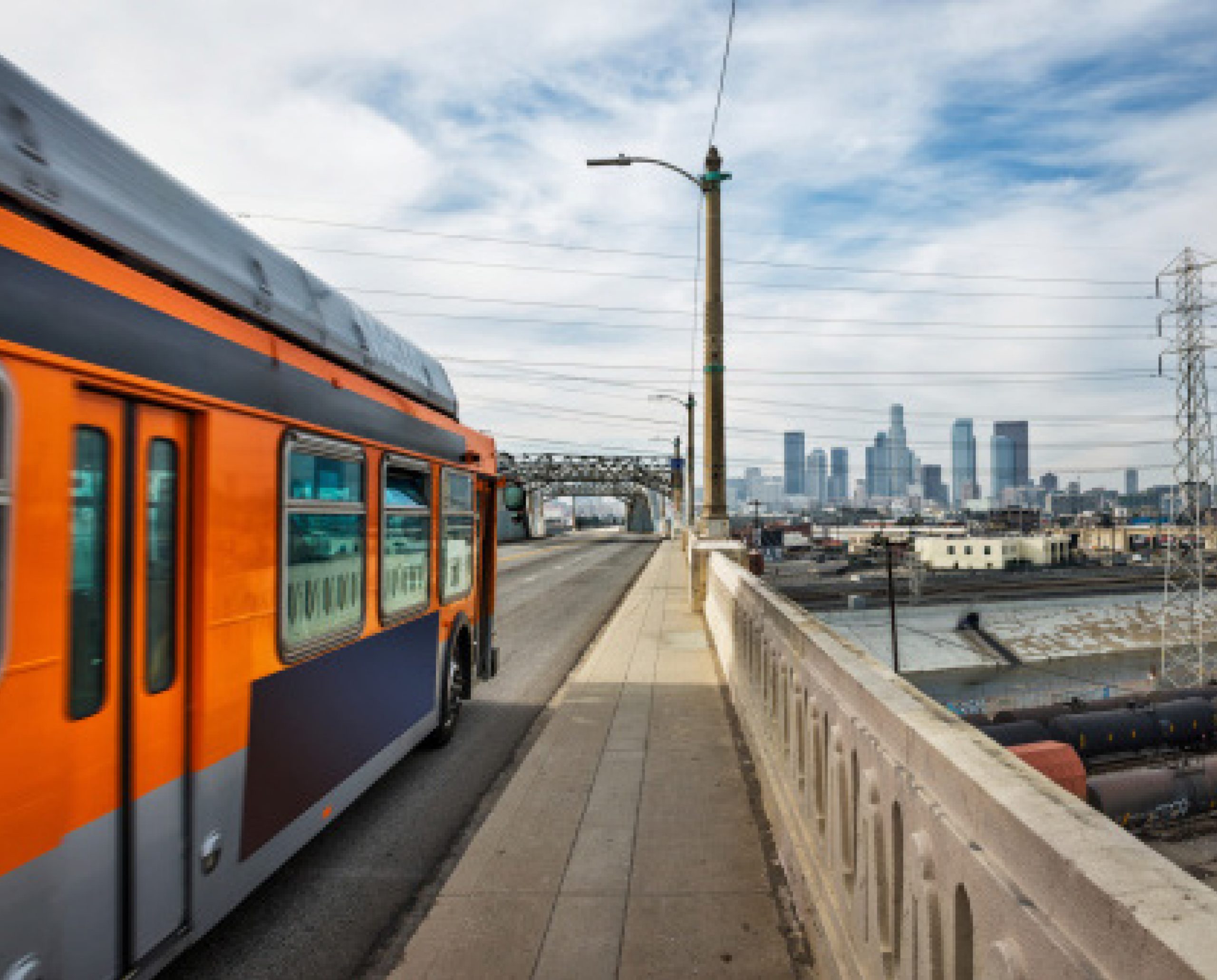
Public Transit Dependency in a Car Dependent County
Investment in freeway infrastructure alongside historical divestment from public transportation have contributed to car dependency across LA…

Close-up of Untitled by Mickalene Thomas, at the Leimert Park Station.
— Pasajero Frecuente del Metro
ORIGINAL QUOTE
_________________
People in Leimert Park felt that they didn't have a voice.
— Frequent Metro Rider
TRANSLATED QUOTE
— Pasajero Frecuente del Metro
ORIGINAL QUOTE
_________________
I don’t like that when the train stops, they turn off the air conditioning.
— Frequent Metro Rider
TRANSLATED QUOTE
Planning should prioritize routes that connect essential services directly and reduce long transfers.
— Student Metro Rider
— Pasajero Frecuente del Metro
ORIGINAL QUOTE
_________________
Many people work in the Valley; in the 80s there wasn’t Metro for the Valley.
— Frequent Metro Rider
TRANSLATED QUOTE
Equitable transit looks like accessibility; accessible in the way that people can afford it and participate in it.
— Bus Line 2 Rider