
Learn From Project Examples
Integrating equity into planning and programming takes different shapes depending on a project’s focus and desired outcome. Below, explore a selection of Metro programs and projects that highlight equity planning in action at the agency. These initiatives represent example selections and are not an exhaustive list of all of the ways Metro staff can integrate equity considerations into their work.
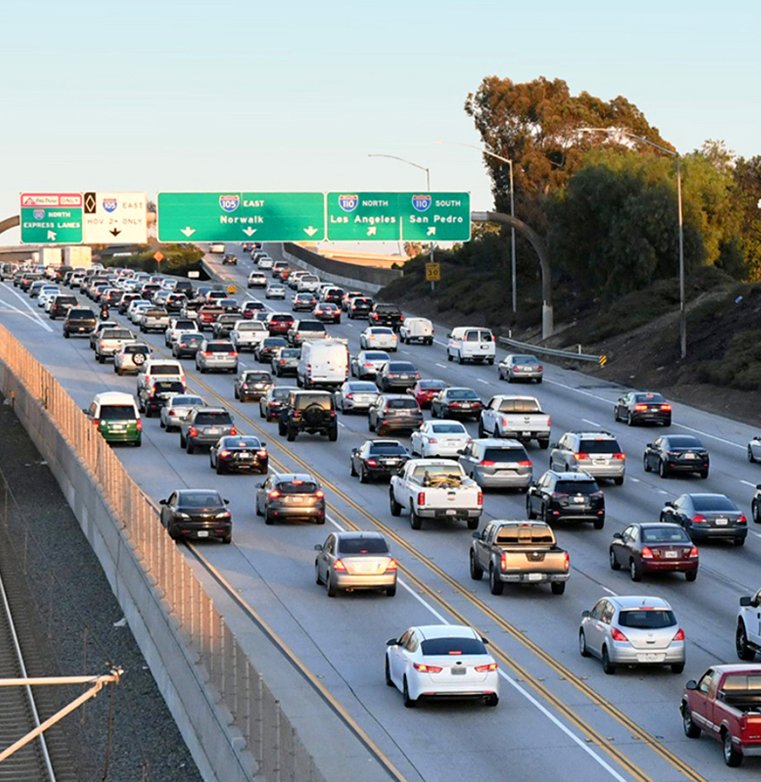
I-105 ExpressLanes
The I-105 is an east-west freeway that connects El Segundo and the Los Angeles International Airport (LAX) to the City of Norwalk. Metro is currently converting the existing I-105 High Occupancy Vehicle (HOV) lane, or carpool lane, into two Metro ExpressLanes in each direction. These ExpressLanes will be available for use by all motorists, with single occupant drivers paying a toll and buses and carpools traveling toll-free.
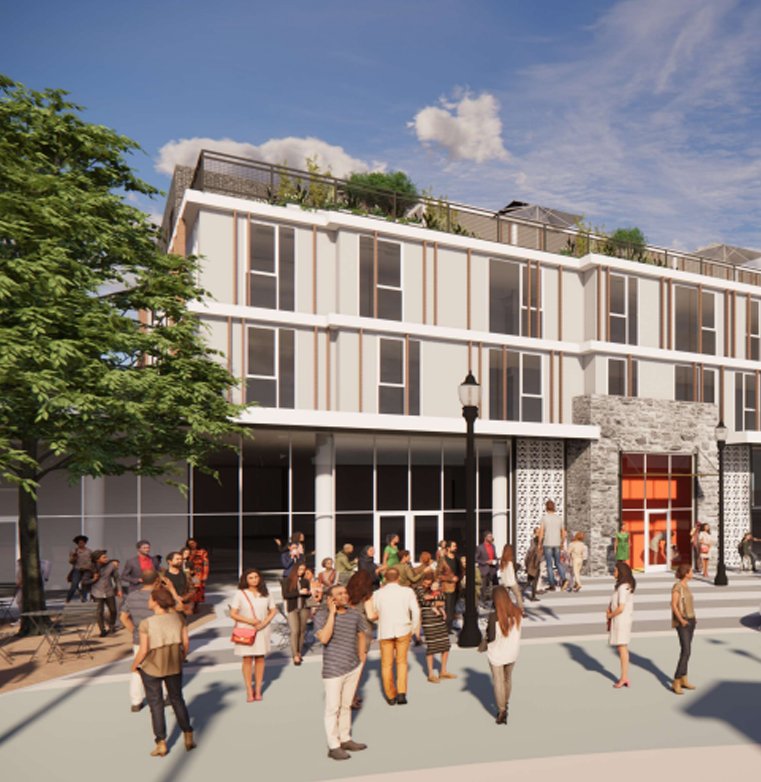
Joint Development
Metro is committed to creating more opportunities for Angelenos to live and work near transit through its Joint Development program. Learn more about how Metro has developed guidelines for the Mariachi Plaza Joint Development Project to reflect local priorities and cultural identity.
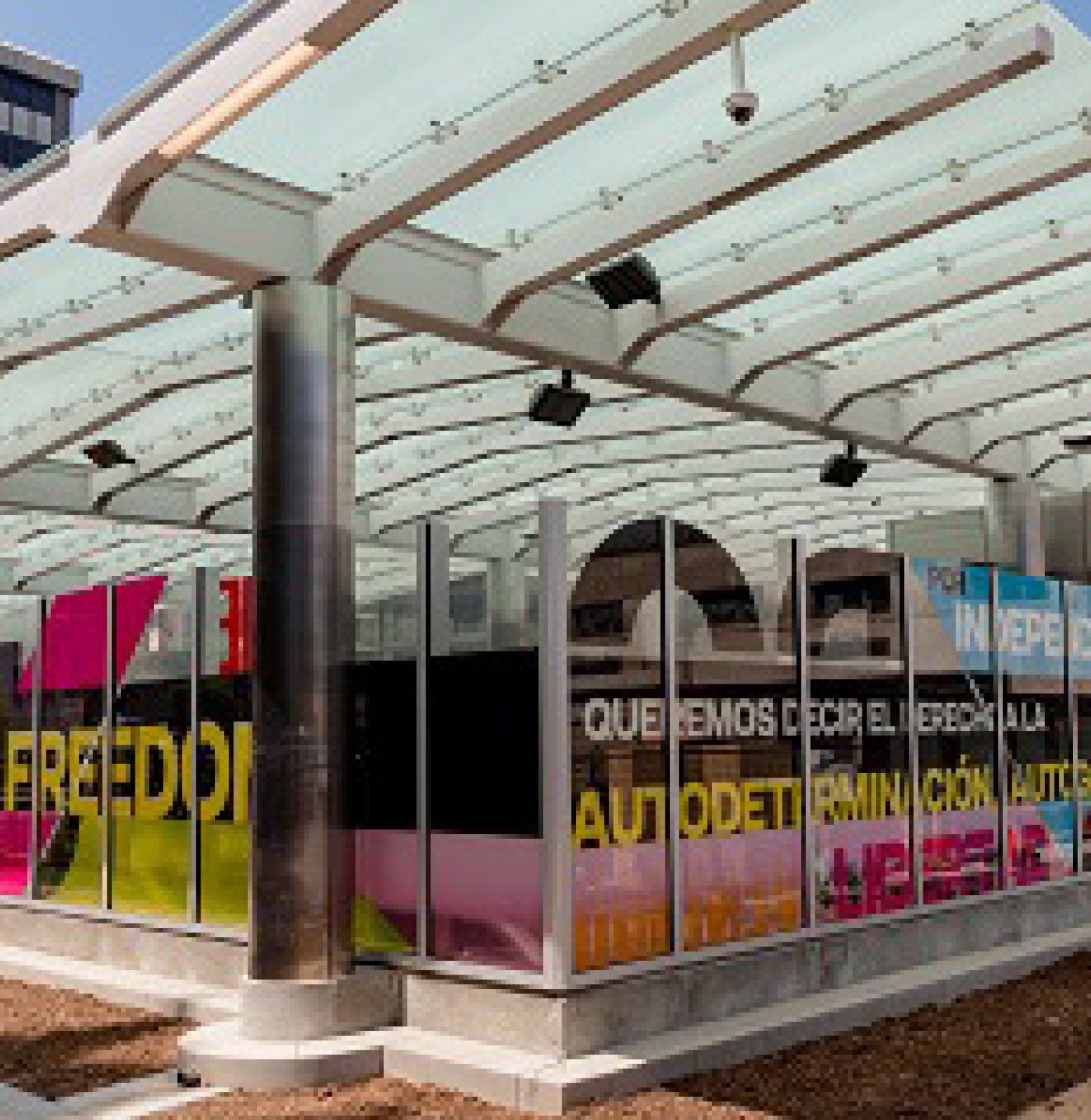
Regional Connector
Metro opened three new rail stations on the A and E lines that form part of our new Regional Connector. This Connector creates faster transfer-free rides through LA’s core. The line was designed and developed with extensive help from local voices and community input. The project also received support from Metro’s small business mitigation programs, which supported small businesses in surrounding project areas during construction.
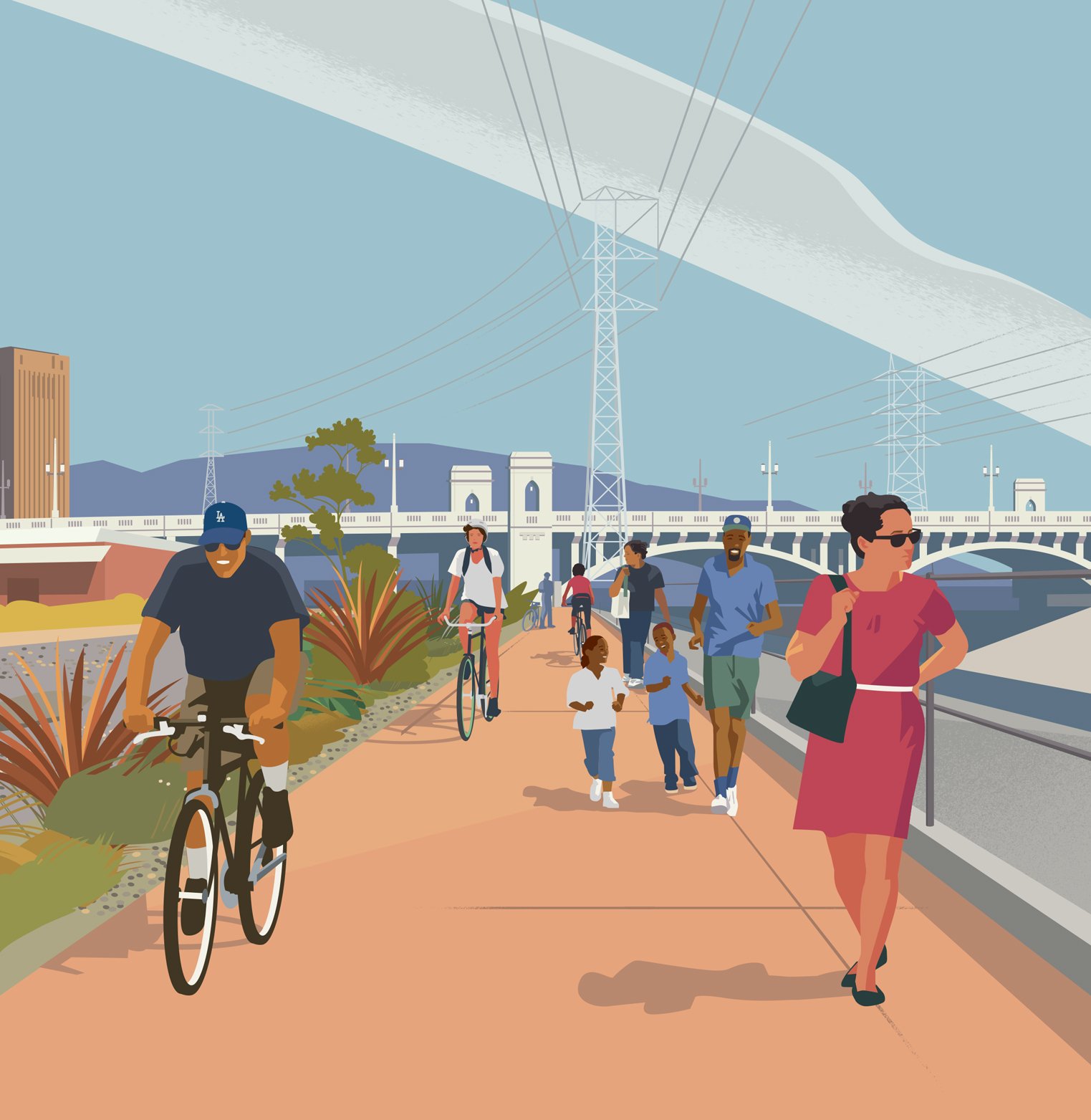
LA River Path Project
The LA River Path Project is a new pedestrian and bicycle path along the Los Angeles River between Elysian Valley and City of Maywood, creating a safe, efficient active transportation travel option connecting the San Fernando Valley and Long Beach. The project is being designed through a community-driven approach that prioritizes accessibility, safety and improved air quality.
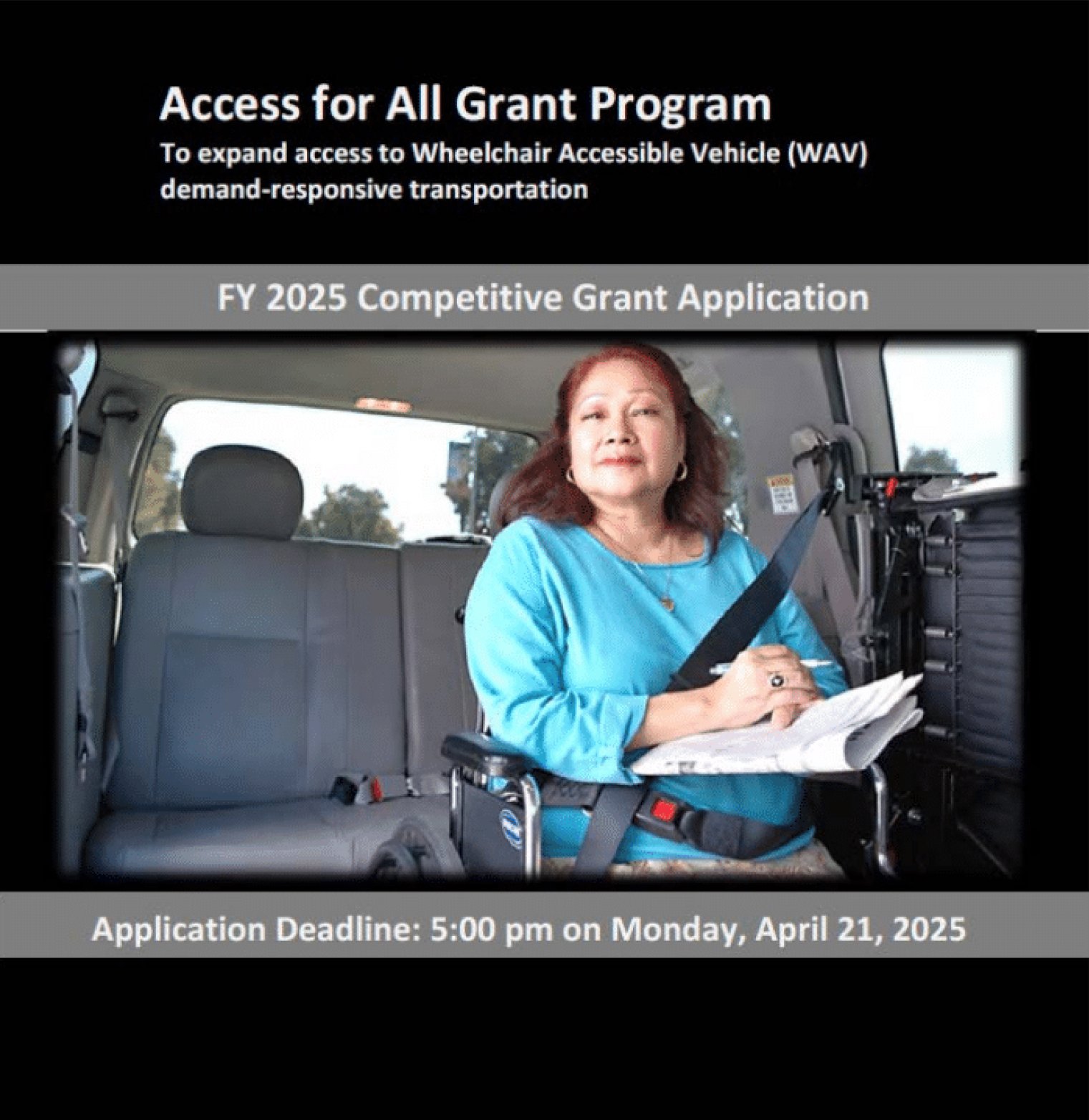
Access for All
The Access for All program improves on-demand wheelchair-accessible vehicle (WAV) services throughout California. Since 2021, Metro has served as an Access for All Grant Program administrator and solicits proposals annually for projects that increase on-demand WAV service in LA County. Metro developed its program by considering a variety of factors including provider eligibility, funding limit considerations and equity.
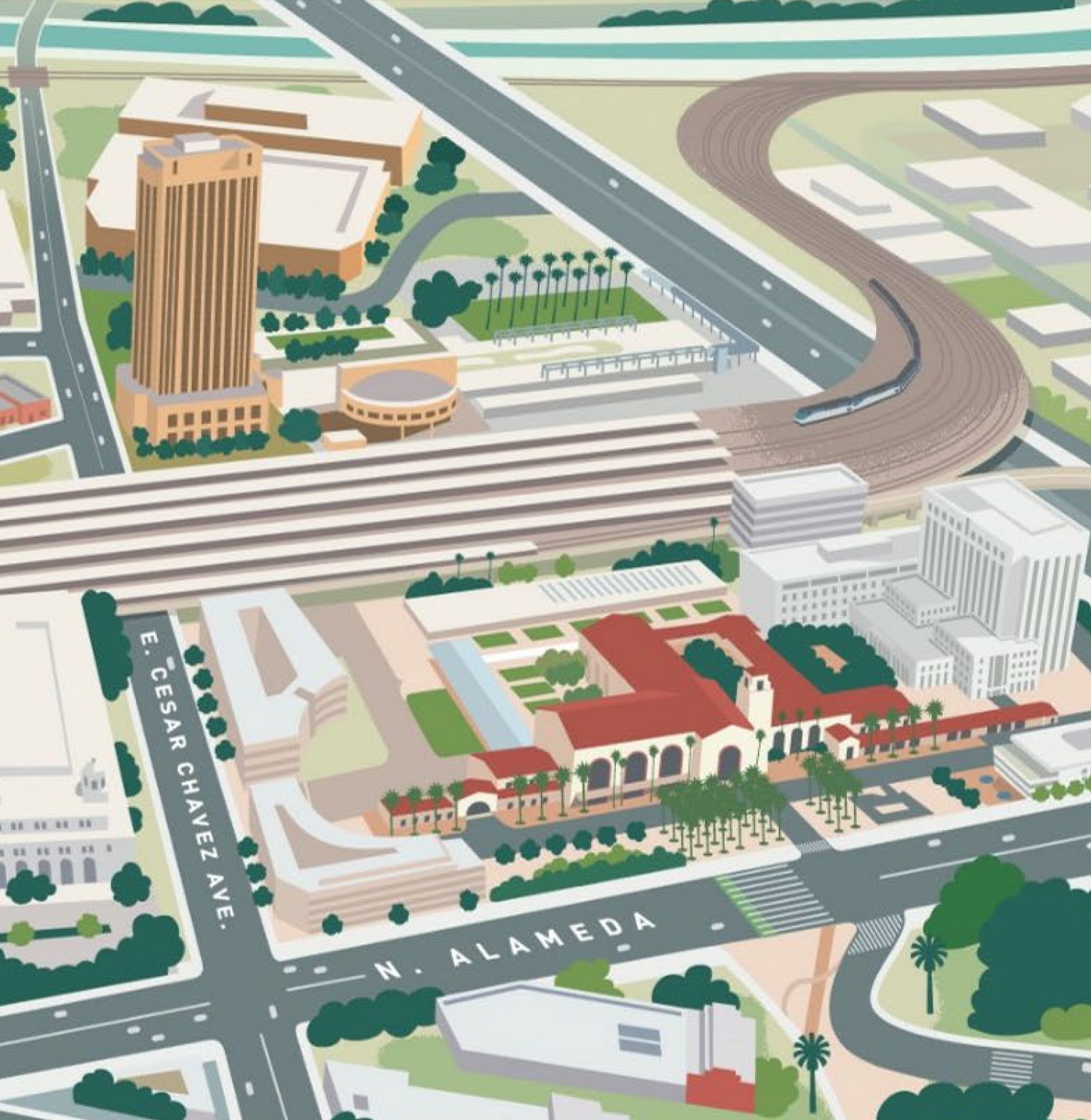
Link Union Station (Link US)
The Link Union Station (Link US) project proposes improvements at Los Angeles Union Station – Southern California’s primary transportation hub – to enhance capacity and improve transit connections. This project features extensive community engagement efforts including community meetings and open houses with wide-ranging stakeholders including property owners, businesses and local residents.
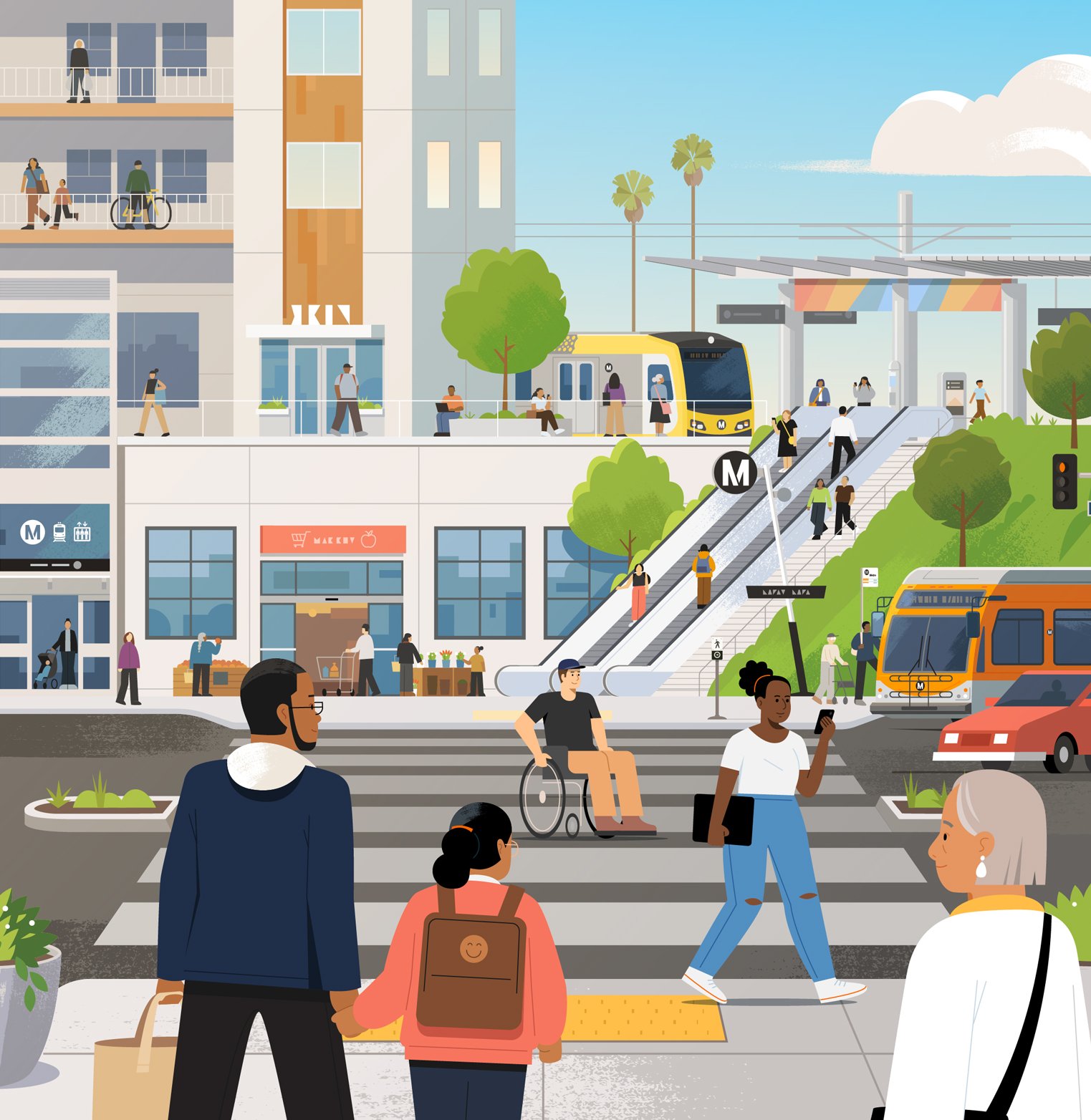
Transit Oriented
Communities Program
In June 2018, the Metro Board of Directors adopted the Transit Oriented Communities (TOC) Policy, formalizing our commitment to partner with the 88 cities and unincorporated areas in LA County to support TOC investments. The policy links local projects to Metro’s regional transit investments, strengthening synergies between transit and local communities to foster an increasingly equitable, sustainable region.
Project Spotlight: Low Income Fare is Easy (LIFE)
The Low Income Fare is Easy (LIFE) program offers fare discounts to riders who are low-income or enrolled in a qualifying program such as CalFresh or Medi-Cal. LIFE can be applied toward free Metro rides or discounted transit passes with any participating transit agency. Through extensive collaboration with Community-based Organization (CBO) partners, LIFE has substantially increased enrollment in recent years.
First/Last Mile
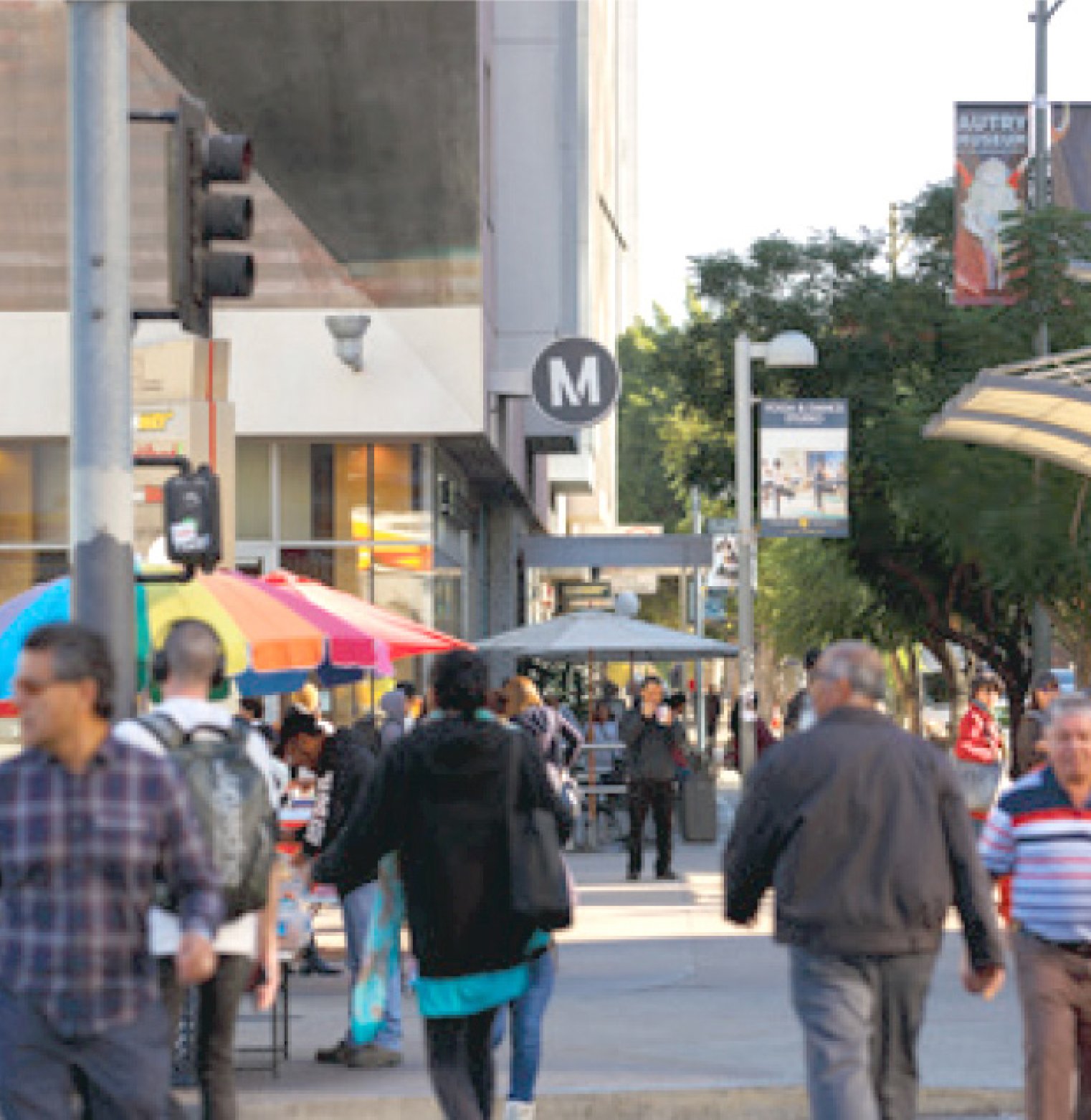
Metro’s First/Last Mile (FLM) program improves transit stop and station access throughout LA County, making travel easier for riders who walk, bike or roll to and from their nearest Metro location. These connections create safer pathways to transit for people of all ages and abilities. Equity is core to the FLM planning approach; extensive community involvement informs FLM plans to ensure they respond to the unique needs of communities.
NextGen Bus Plan
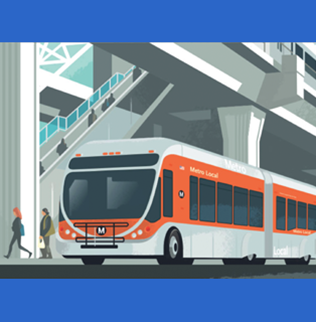
Metro developed its NextGen Bus Plan to implement a new bus system in LA County that is frequent, fast, accessible and reliable. By combining technical data considerations with a robust stakeholder outreach process that engaged nearly 20,000 LA County residents, the Plan seeks to reimagine a Metro bus system that better meets the needs of current and future riders through wide-ranging improvements.
To see more Metro projects that have integrated equity into their planning and programming, visit the Equity Information Hub.