
Public Transit Dependency in a Car Dependent County
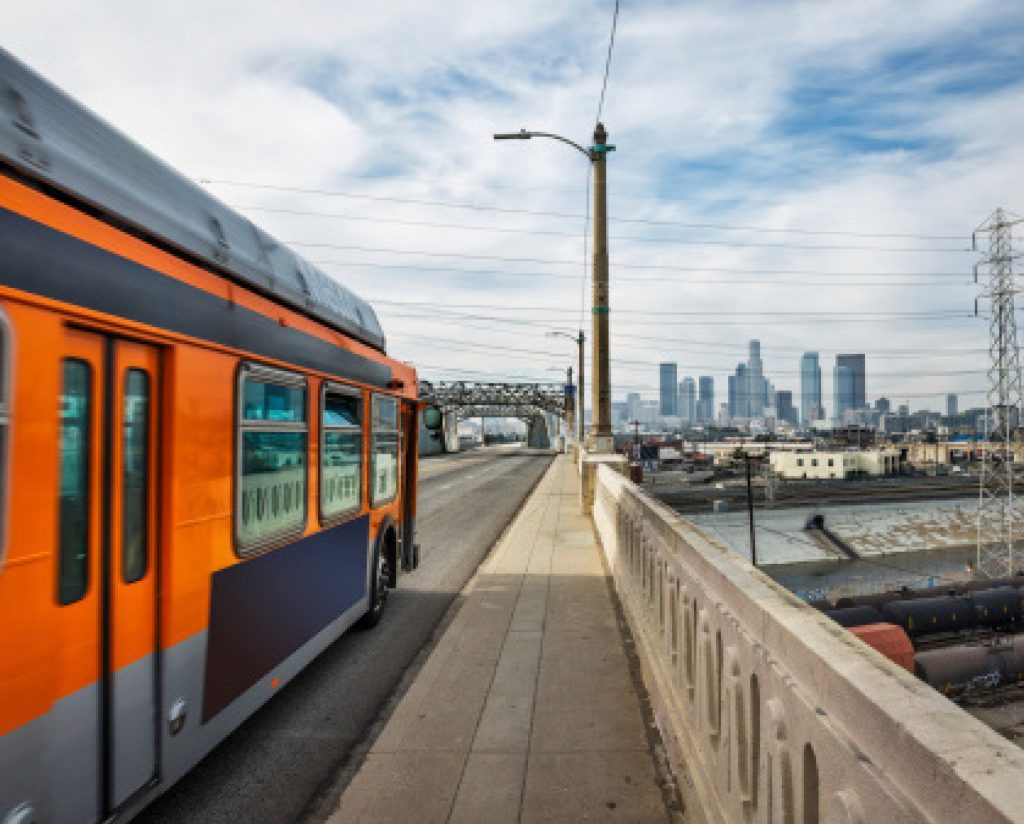
Investment in freeway infrastructure alongside historical divestment from public transportation have contributed to car dependency across LA…
Transportation as a Pollutant
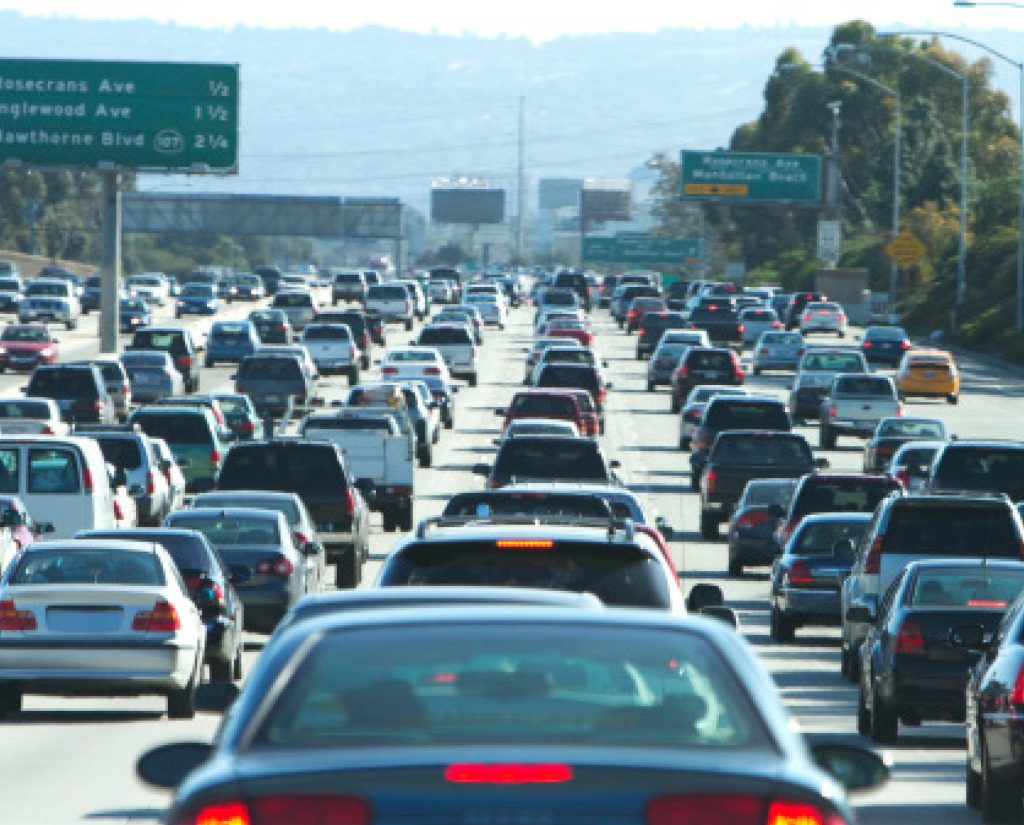
Living near transportation infrastructure like freeways still impacts surrounding communities, many of which are BIPOC or low-income…
Current Environmental and Climate Inequity
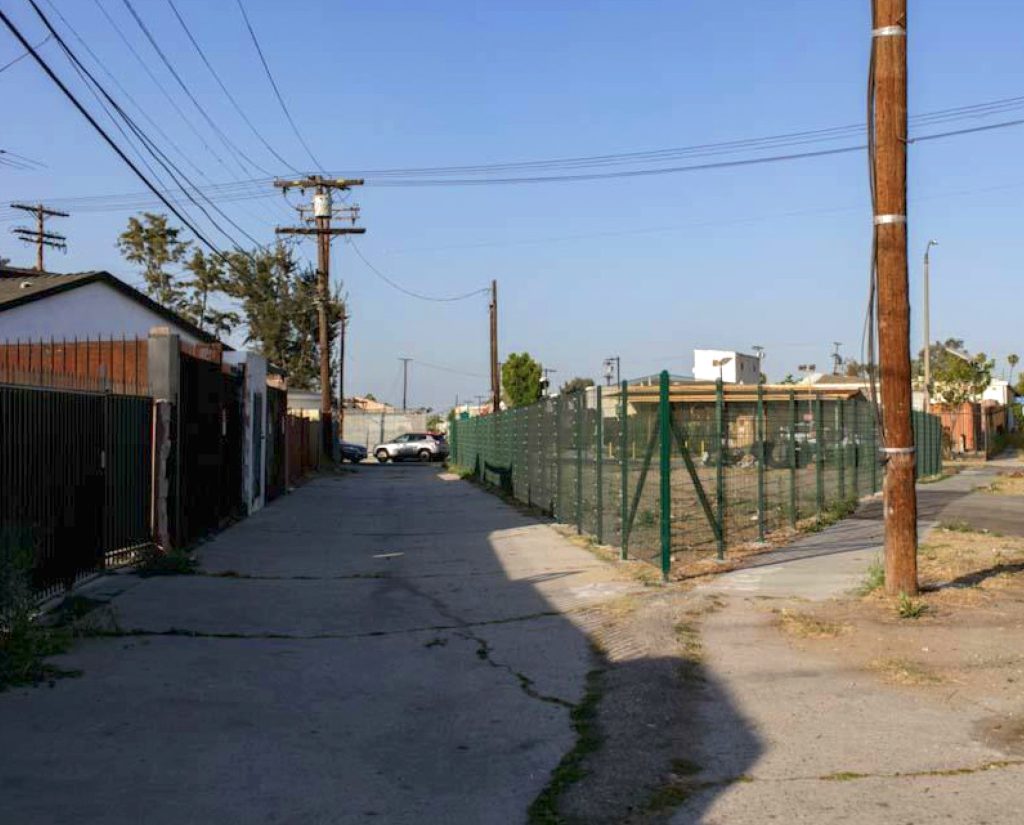
Historical redlining and unfair zoning rules made it more likely for BIPOC (Black, Indigenous and/or People of Color)…
Walkability
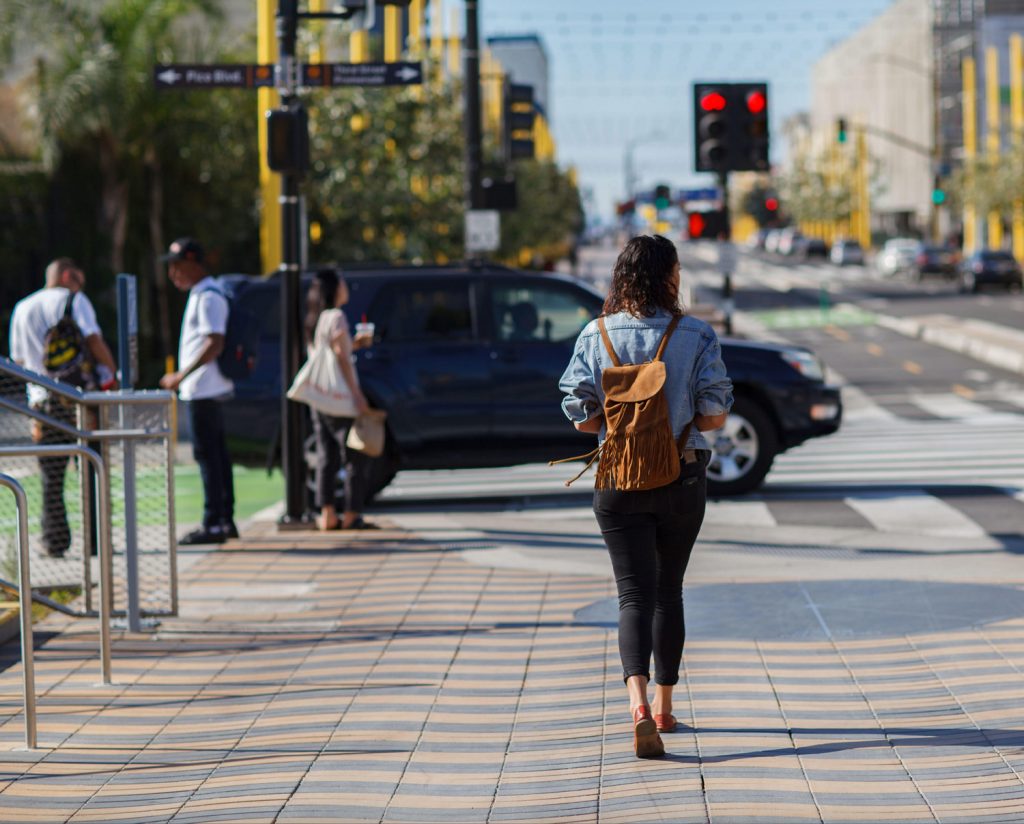
Walkable neighborhoods provide safe and easy access to transit options, employment, healthcare, education, recreation and other critical services.
Urban Heat Island (UHI) Effect
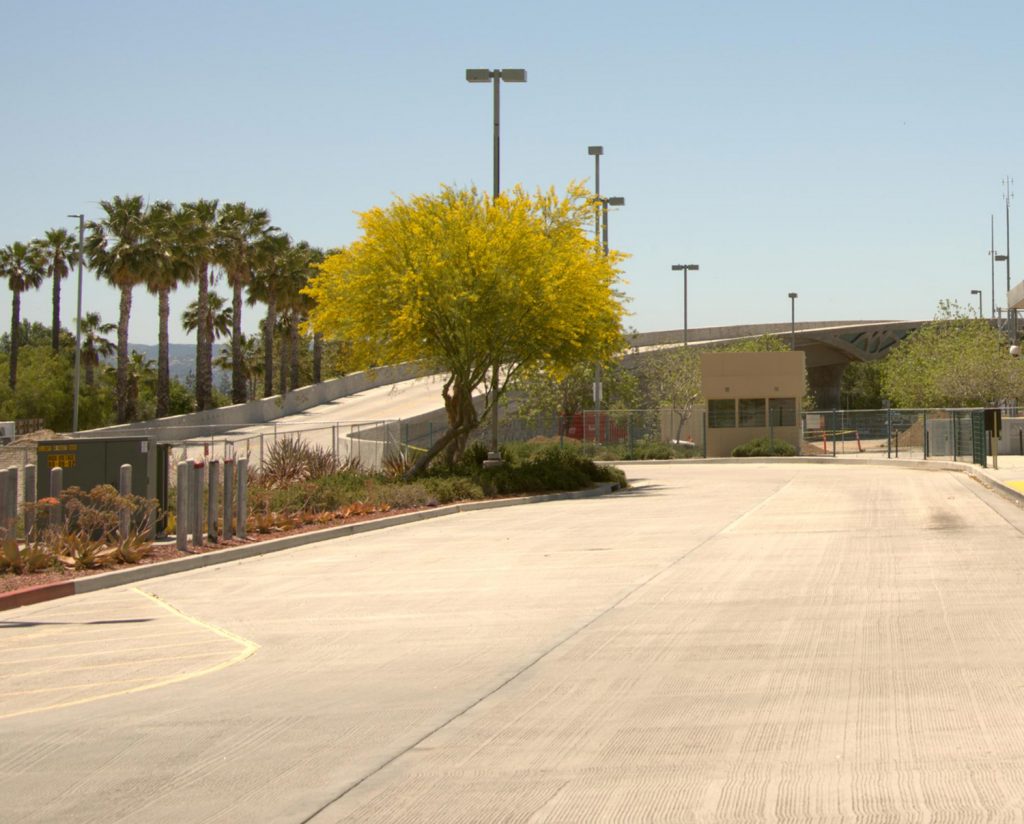
Dense, paved urban areas retain more heat which can affect comfort at transit stops, ridership and infrastructure integrity. Planning for shade and cooling can improve rider experience and system resilience.
Transit Corridors
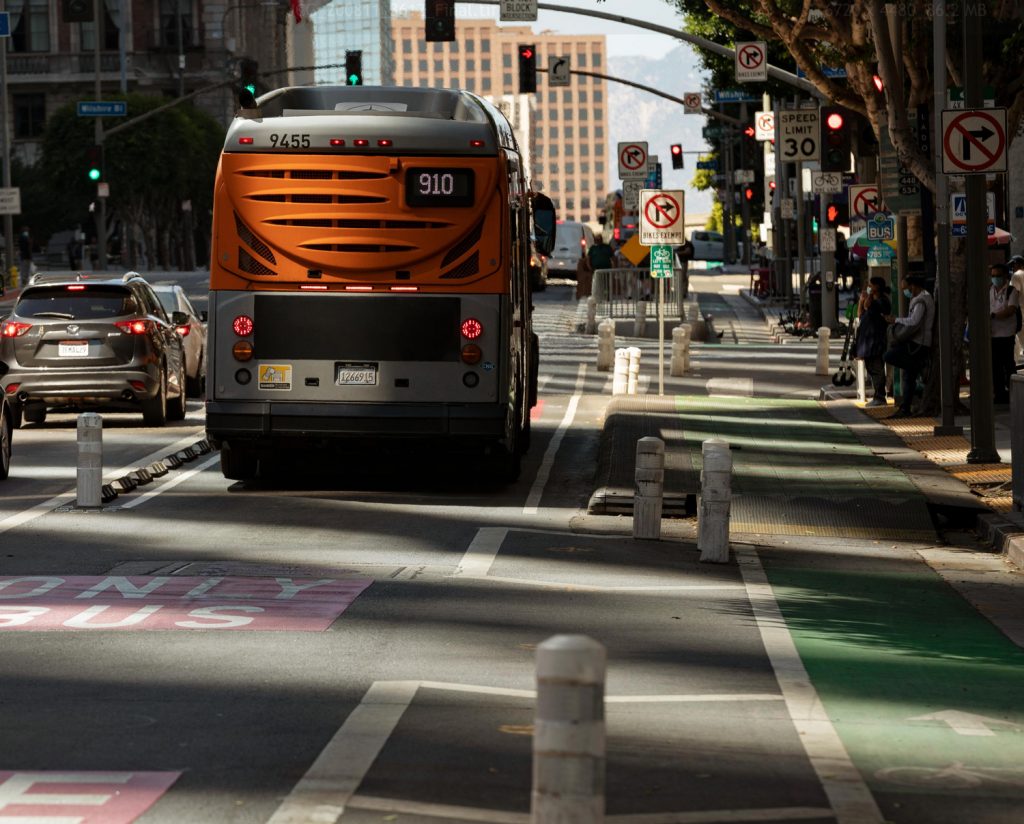
Investing in multi-modal transit corridors can simultaneously promote economic development and public transportation use.
Ridership
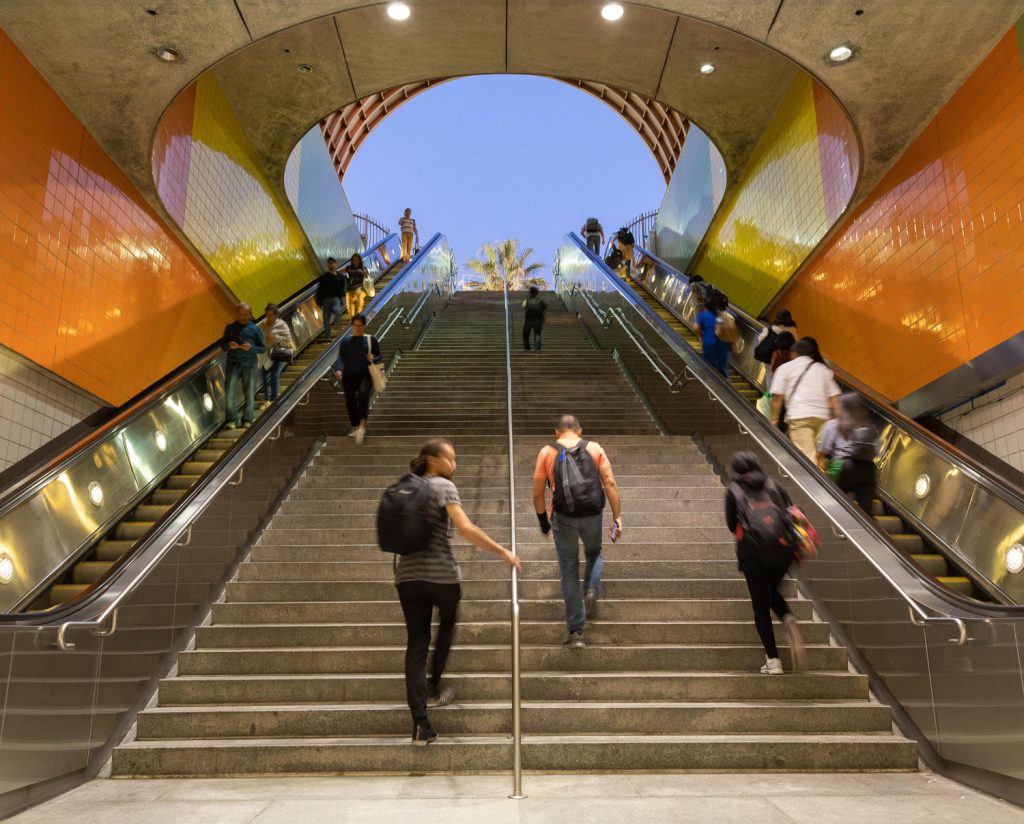
Public transit ridership percentages and transit modes can measure how well a transportation network is meeting the diverse needs of community members.
Parking
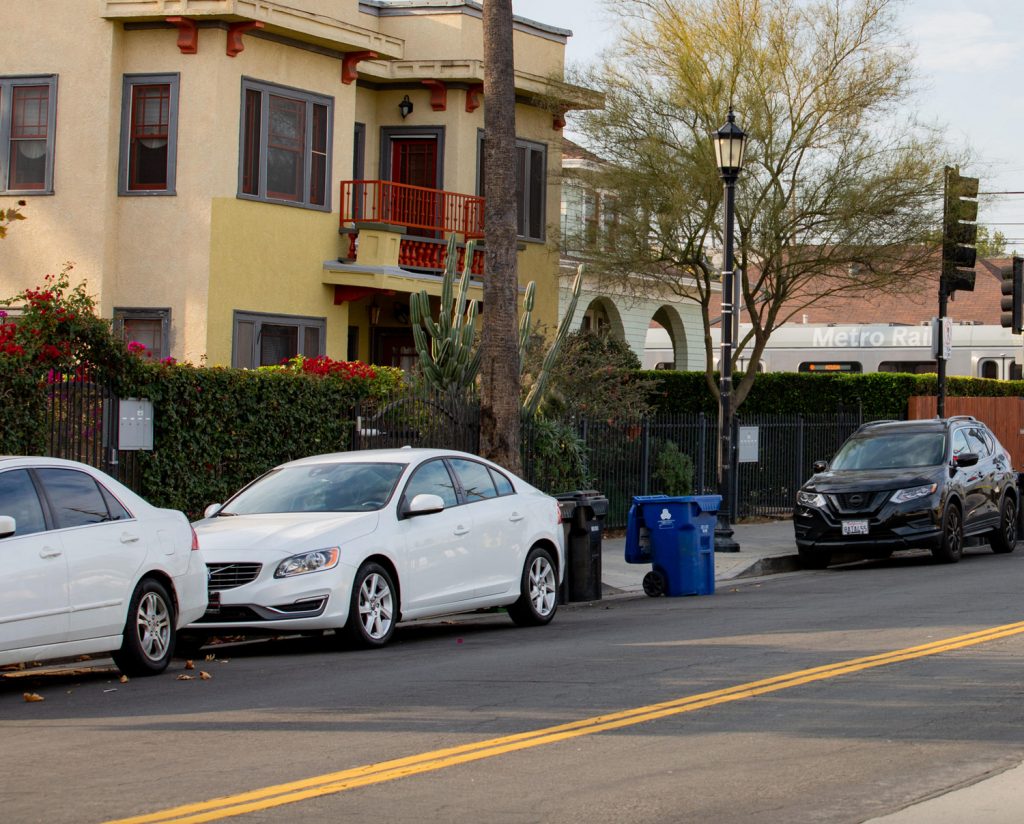
Parking availability and infrastructure can affect how people move and use public transit facilities.
Neighborhood Affordability
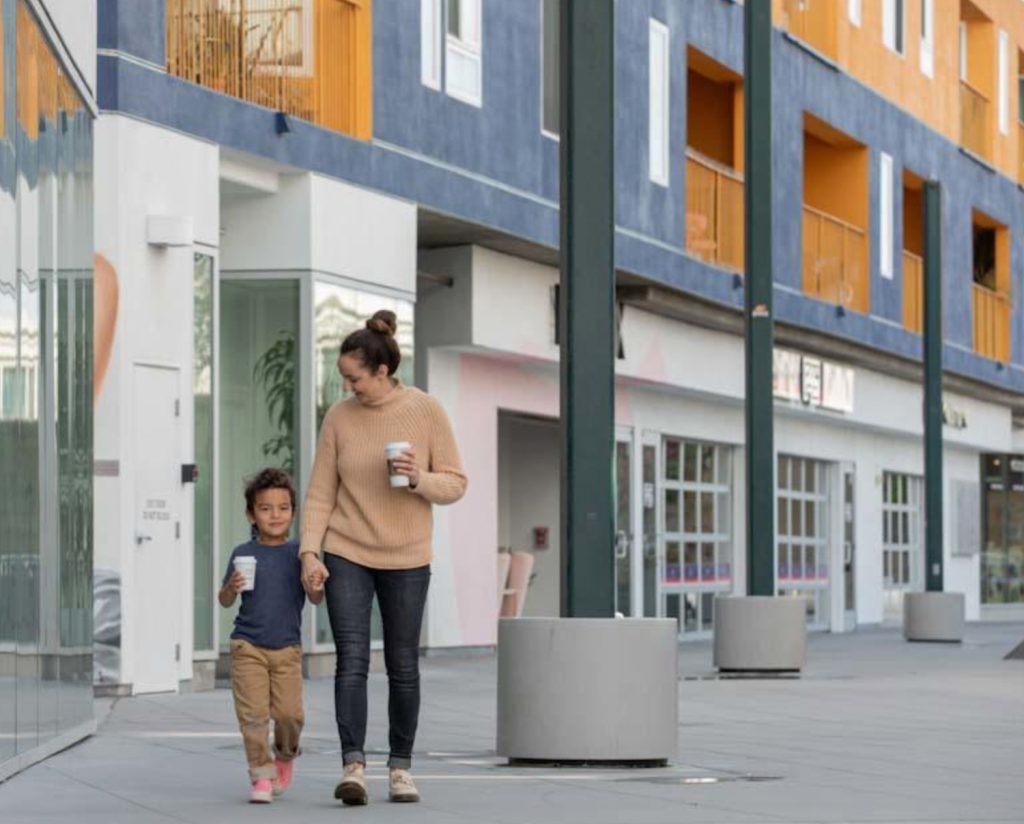
Neighborhood affordability shapes where people are able to live in relation to transit. Aligning transportation services with affordable housing goals supports more efficient, equitable communities.
Green Space
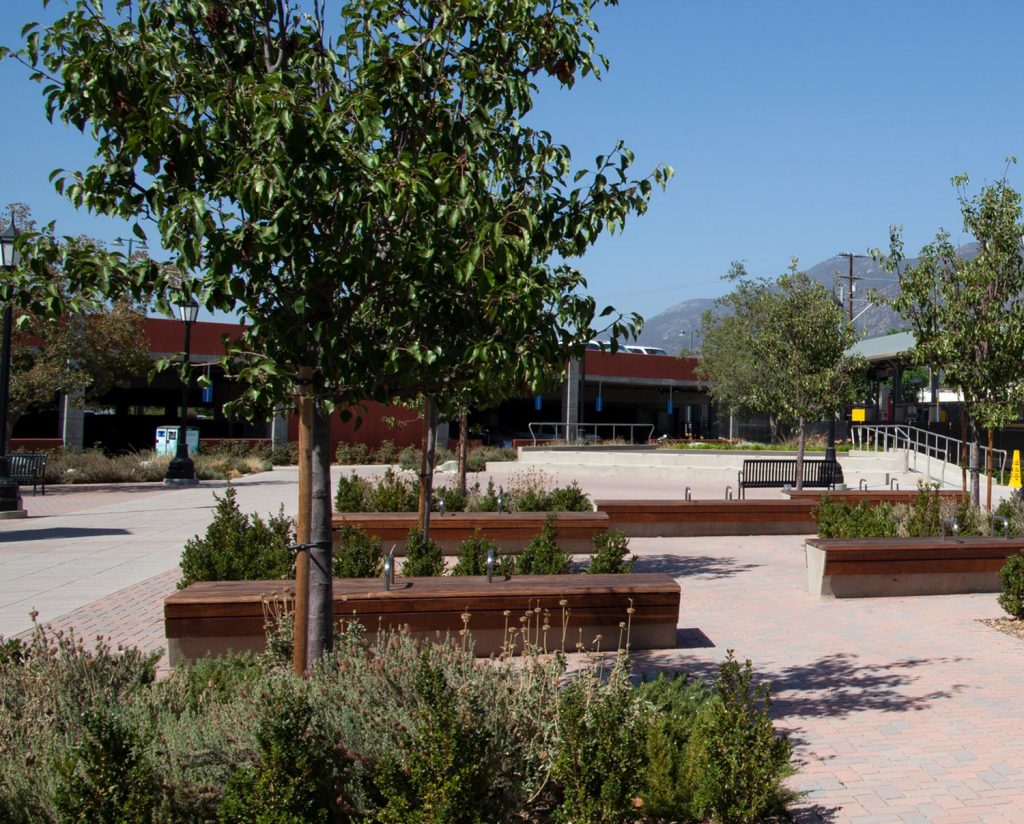
Public transportation enhancements can improve community member access to green space opportunities like parks and playgrounds, improving community health and quality of life.