
Transit Resilience for Natural Hazards
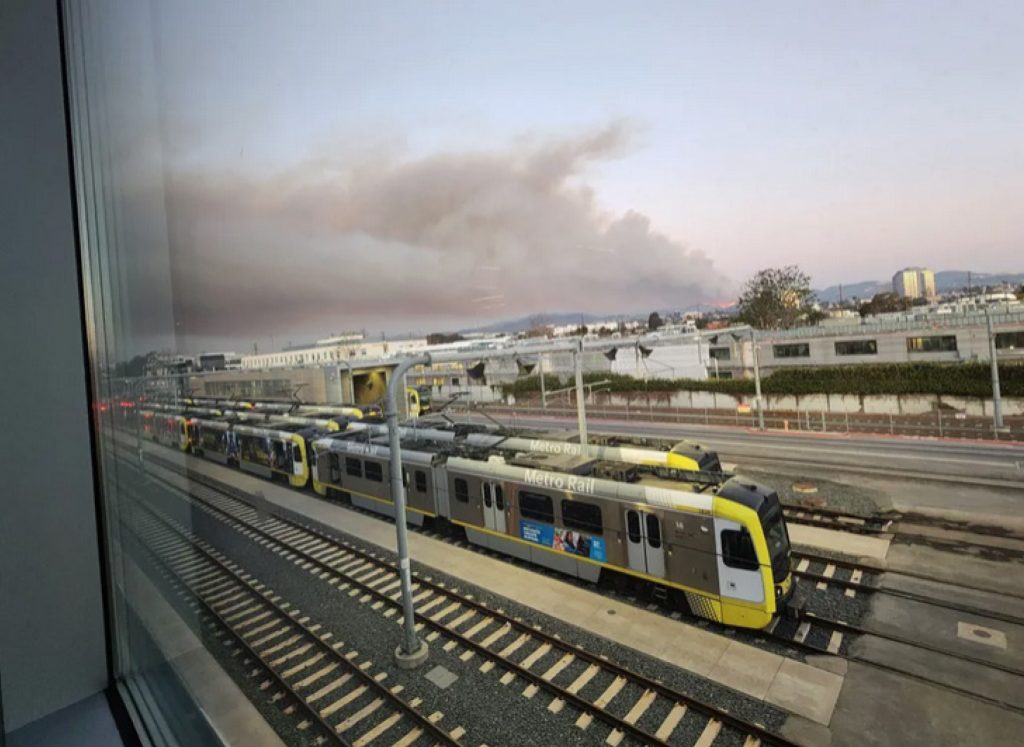
Transportation systems play a critical part in ensuring community safety and must remain adaptable and functional during and after natural hazard events.
Small Business and Organizational Displacement
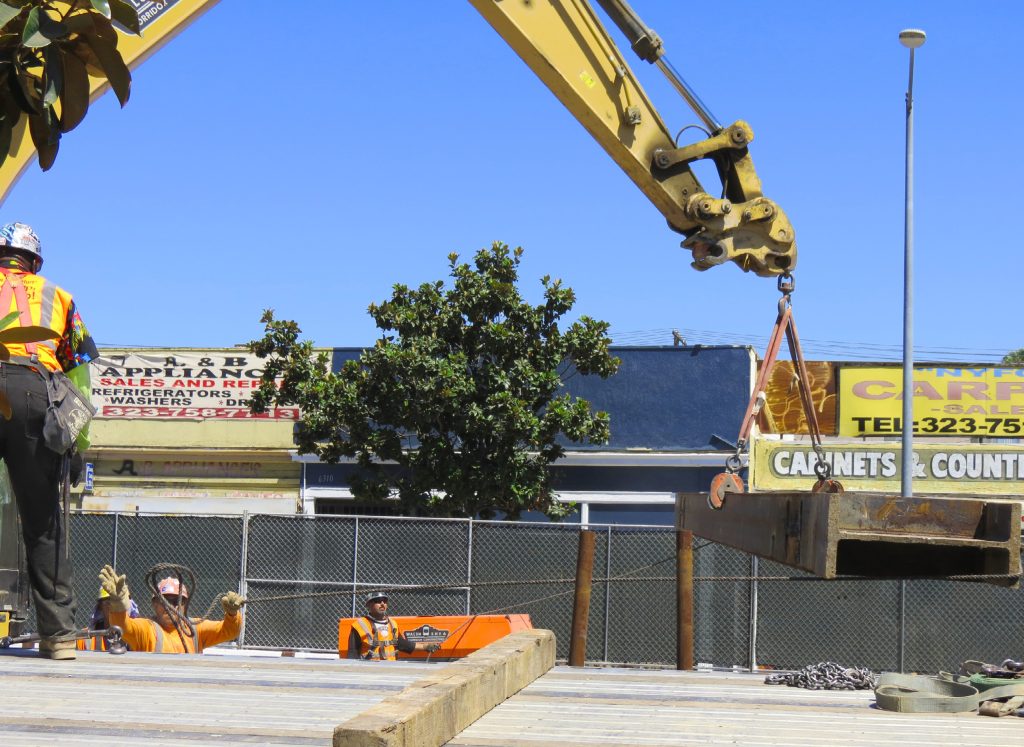
Commercial and organizational displacement resulting from transit investment can impact the social and economic fabric of communities. Preventing displacement ensures transportation investments protect organizations and support local economic activity—often before impacts are formally recognized or measured.
Food Security and Accessibility

Public transportation investments can support access to healthy, affordable and culturally appropriate food, which is a fundamental social determinant of health.
Equitable Procurement
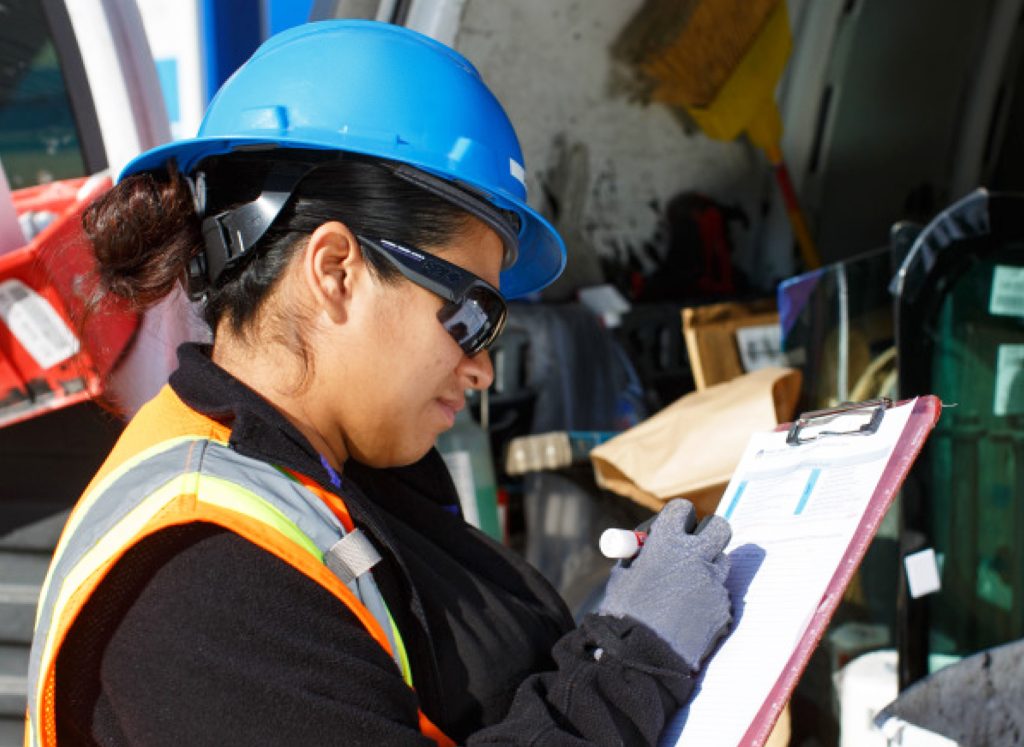
Equitable procurement ensures that Metro’s capital investments include intentional pathways for small and disadvantaged business participation.
Access to Essential Health Care Services

Public transportation can support affordable, respectful and safe access to health services essential to people of all genders across their lifespans.
Neighborhood Change
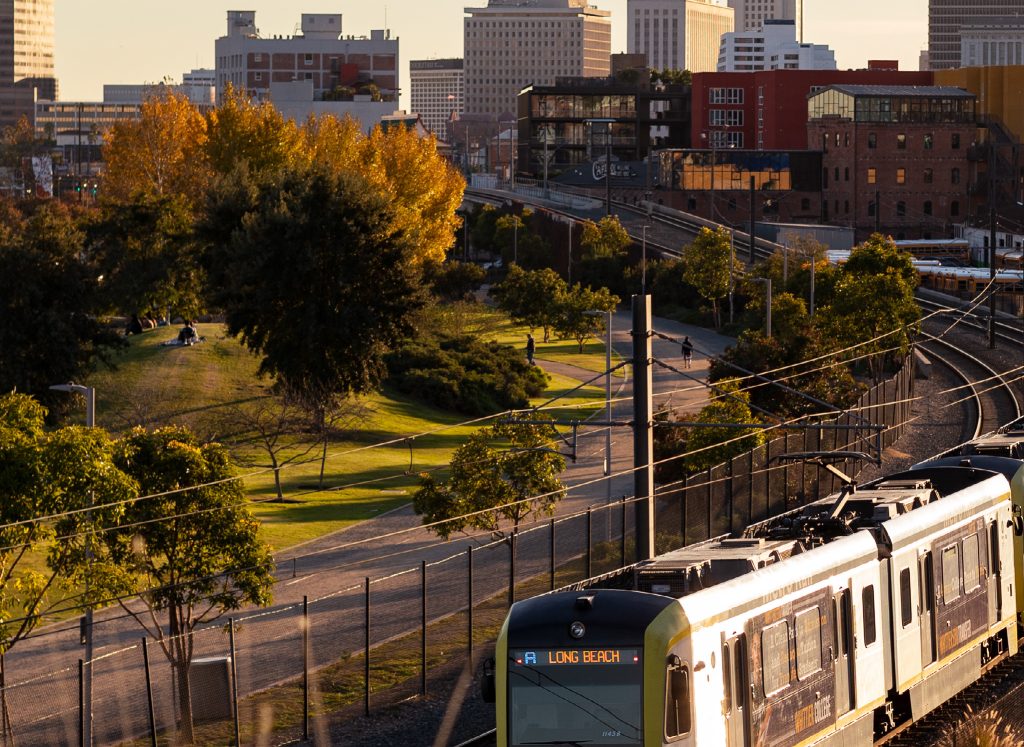
Suggested Baseline Indicator: Public transportation investments can accelerate resident displacement and heighten gentrification pressures. Transportation planners should simultaneously address transit needs while preserving neighborhood affordability and stability.