
Equitable Procurement

Equitable procurement ensures that Metro’s capital investments include intentional pathways for small and disadvantaged business participation.
Employment Opportunities and Job Preservation
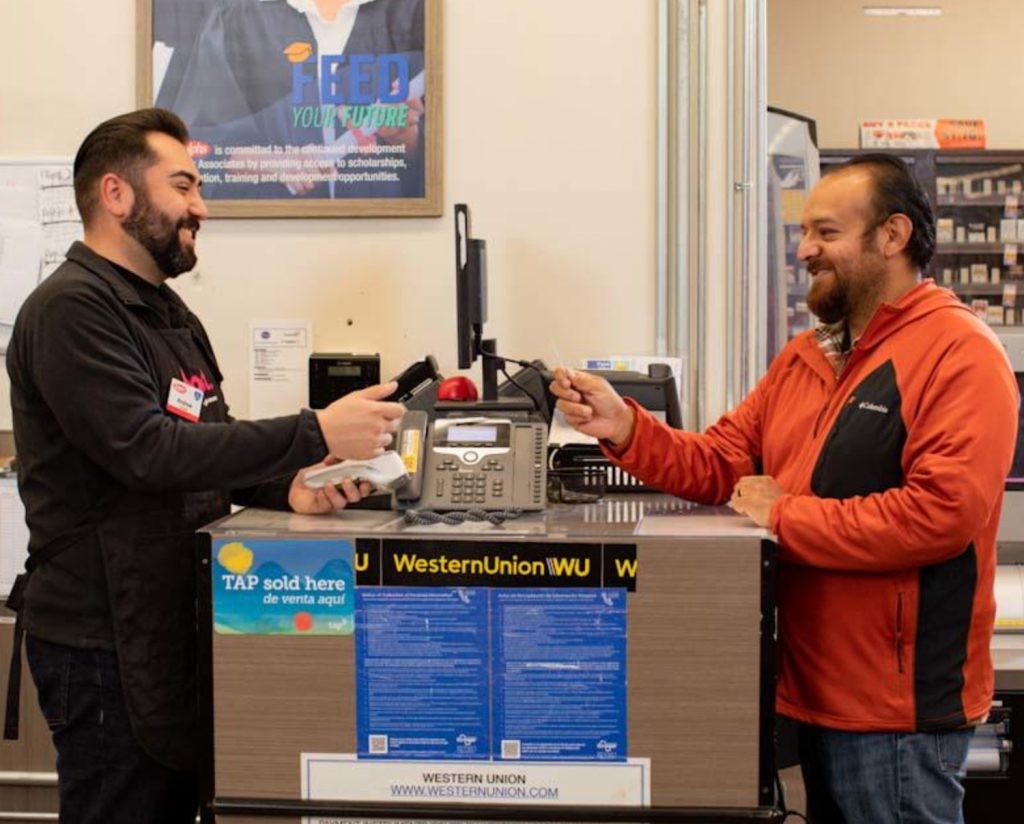
Employment opportunities and job preservation ensure that transportation investments support local economic opportunities and protect existing employment for community members.
Access to Essential Health Care Services

Public transportation can support affordable, respectful and safe access to health services essential to people of all genders across their lifespans.
Public Transit Travel Time
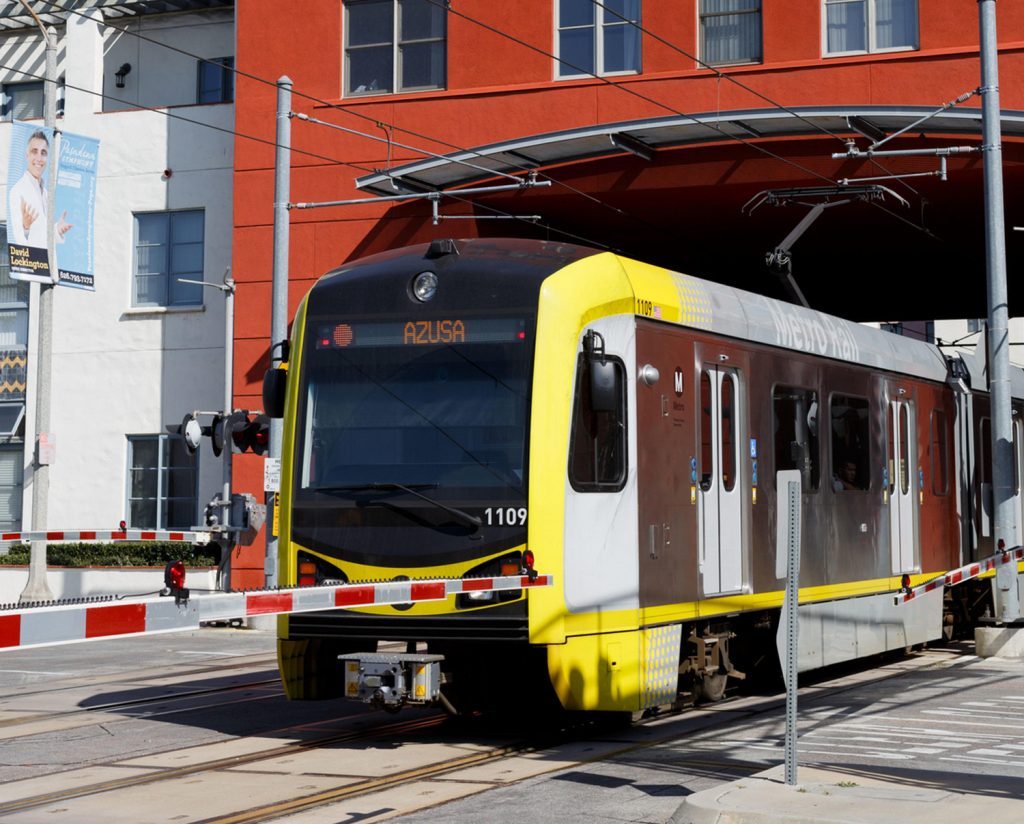
Suggested Baseline Indicator: Public transit travel time can impact rider choices and their ability to use public transportation.
Personal Vehicle Use

Suggested Baseline Indicator: Personal vehicle-use patterns can inform opportunities for public transit enhancement projects.
Neighborhood Change

Suggested Baseline Indicator: Public transportation investments can accelerate resident displacement and heighten gentrification pressures. Transportation planners should simultaneously address transit needs while preserving neighborhood affordability and stability.
Distance Traveled to Access High-Quality Transit

Suggested Baseline Indicator: Distances traveled to access high quality transit can be impacted by factors like service frequency, service reliability and safety.
Commercial Corridor Vibrancy

Suggested Baseline Indicator: Commercial corridor vibrancy measures the vitality and sustainability of local business districts that serve as economic anchors for communities.
Air Quality

Suggested Baseline Indicator: Public transportation investments can contribute to improved air quality and support healthier communities.
Active Transportation Infrastructure

Suggested Baseline Indicator: Active transportation infrastructure supports safe walking, cycling, rolling and access to public transit.